
Author: Yelena Terushkin, PA-C
Acne isn’t just a teenage problem — more adults are dealing with breakouts in their 30s and 40s, often without understanding why.
Adult acne is far more common than most people realize. Many adults develop breakouts in their late 20s, 30s, 40s, and beyond—even if they had clear skin as teenagers. If you’re asking yourself “Why is this happening now?”, you’re not alone. Adult acne often has different causes, triggers, and treatment needs than teenage acne and requires a more personalized medical approach.
This article explains why adult acne happens, what commonly triggers it, and how dermatology treatments can help restore clear, healthy skin.

Adult acne refers to acne that appears after age 25. It commonly affects the jawline, chin, lower cheeks, and neck, and tends to be more inflammatory, persistent, or cyclical. Many adult patients report never having acne as teenagers, only to experience stubborn breakouts later in life.
Unlike teenage acne, adult acne is often driven by internal factors, not just excess oil.
Hormones are one of the leading causes of adult acne, especially in women. Changes related to menstrual cycles, pregnancy, postpartum shifts, perimenopause, menopause, or conditions such as PCOS can increase oil production and inflammation, leading to clogged pores and breakouts.
Chronic stress raises cortisol levels, which can stimulate oil glands and worsen inflammation. Stress-related acne often appears suddenly and may present as deeper, more painful breakouts.
Using products that are too heavy, comedogenic, or not suited to your skin type can clog pores. Overusing exfoliants or harsh acne treatments may damage the skin barrier, making acne worse instead of better.
High-glycemic foods, excess sugar, dairy, poor sleep, dehydration, and smoking may contribute to acne in some adults. While diet alone doesn’t cause acne, it can influence inflammation and flare-ups.
Adult acne can sometimes be linked to hormonal imbalances, thyroid disorders, or inflammatory conditions. Persistent or sudden acne should always be evaluated by a medical professional.

Adult acne tends to:
Because skin turnover and healing change with age, adult acne often requires prescription-strength and professionally guided care.

Professional dermatology care focuses on treating both the root cause and visible symptoms of acne.
Dermatologists may prescribe topical medications, oral treatments, or combination therapies based on acne severity, skin sensitivity, and medical history.
For hormonally driven acne, medical therapies can help regulate oil production and inflammation safely and effectively.
These procedures help unclog pores, calm inflammation, and improve skin texture.
Adult acne frequently leaves behind scars and dark marks. Dermatology treatments can target:
You should seek professional care if:
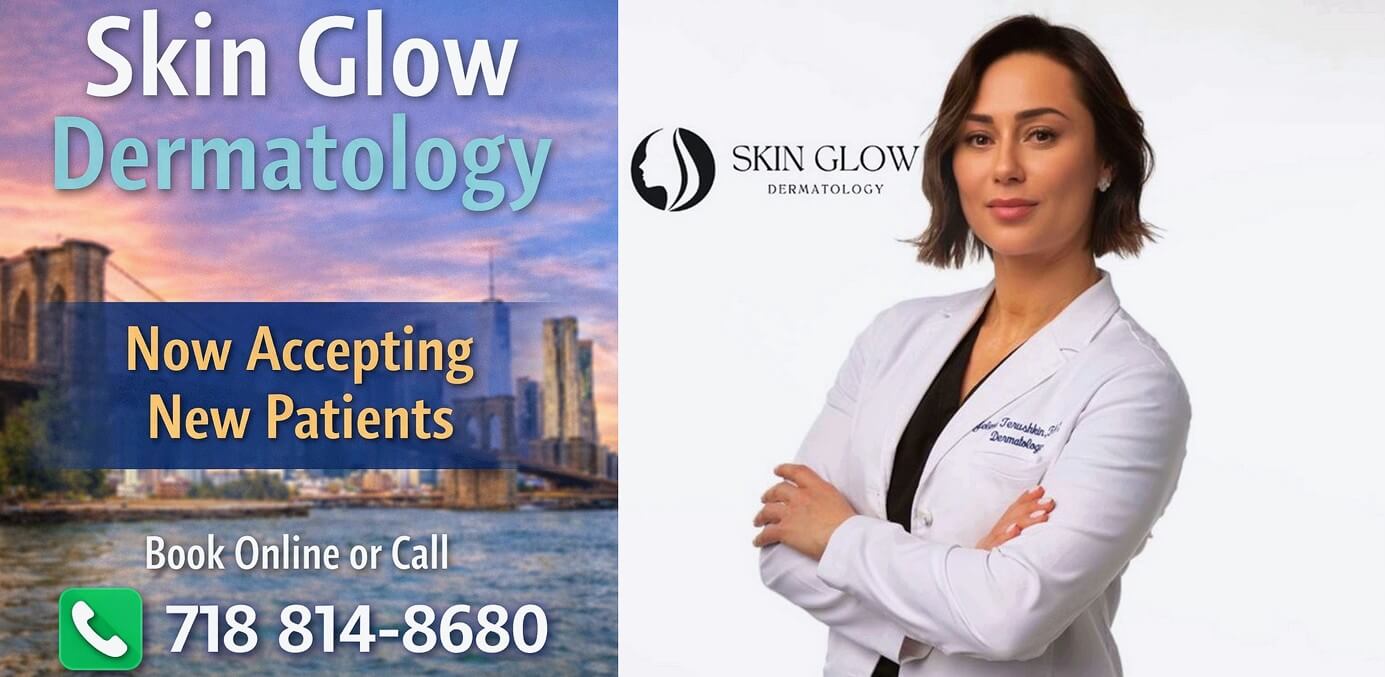
At Skin Glow Dermatology, adult acne is treated with a personalized, medical approach focused on long-term skin health. Care is led by Yelena Terushkin, PA-C, who specializes in adult acne, hormonal breakouts, and acne-related skin concerns.
📞 Call Now: 718 814-8680 Or Visit our Contact Page
📍 Location: Skin Glow Dermatology – 480 Court St, Suite # 103, Brooklyn, NY 11231
This article is for informational and educational purposes only and does not constitute medical advice. Acne causes and treatments vary by individual. Results are not guaranteed. Always consult a licensed dermatology professional for diagnosis and personalized treatment recommendations.


